
How to Plan Wedding Alcohol with Long Island Liquor Store
November 11, 2026
Plan wedding alcohol around guest count, bar style, and the flow of the day—not by guessing bottle totals. The cleanest approach is to match wine, beer, and spirits to each part of the reception, then order a little extra for the drinks people reach for most.
Key Takeaways
- Start with headcount and bar style, not a random number of bottles. A plated dinner, cocktail hour, and late-night bar each need different mixes.
- Think in drink categories: champagne or prosecco for the toast, wine for dinner, beer kegs for steady service, and a focused spirit lineup for cocktails.
- Budget traps usually come from too many specialty pours. Signature cocktails can help control costs if you keep the menu tight and the mixers simple.
- A smart wedding beverage calculator should include backup cases for wine and a little extra of the crowd favorites, especially vodka, gin, and tequila.
- Long Island Liquor Store can help with wine, spirits, and wedding gifts, and you can order online for local convenience or 50-state shipping where allowed.
What wedding alcohol planning gets wrong before the guest list is even done
Wedding alcohol planning goes wrong when couples start with bottles instead of the event itself. The better method is to define your headcount, your service style, and the drinks people will actually order, then build from there. That keeps the budget steady and prevents the common panic of buying too little champagne for the toast or too much top-shelf liquor nobody touches.
How to read your headcount like a beverage buyer instead of a party host
A beverage buyer looks at numbers differently than a host does. You are not just counting people; you are estimating how many will drink wine, how many will want beer, and how many will ask for a cocktail after dinner. For most weddings, the safest plan is to assume a mixed crowd and order across categories so you are not stuck with 12 cases of one thing and no backup for another.
Here is the part most couples miss: the guest list is not the same as the drinking list. Family-heavy weddings often lean more toward wine, cognac, and after-dinner sipping, while younger crowds may move faster through vodka, gin, rum, and tequila. If you are planning with a wedding beverage calculator, use it as a starting point, then adjust for your crowd, your menu, and the length of the reception.
A quick rule of thumb helps:
- Shorter receptions usually need fewer spirits and more balanced wine service.
- Dinner-first receptions need more wine, especially pinot noir, chardonnay, and cabernet.
- Dance-heavy receptions need more beer, mixed drinks, and a larger ice reserve.
- Brunch events often call for prosecco, rosé, and lighter cocktails.
Why Commack couples should think in bar styles, not bottle counts
Commack couples tend to get better results when they choose a bar style first. A full open bar, a limited bar, and a beer-and-wine service all create very different shopping lists. If you are near Route 25A, dealing with a mixed guest list from Suffolk County and beyond, bar style matters more than chasing an exact bottle formula.
A limited bar can save a lot without feeling stripped down. For example, you might serve vodka, gin, bourbon, wine, beer, and one signature cocktail instead of stocking every spirit under the sun. That still feels generous, especially if you choose a strong craft spirits for events lineup and a few reliable wines from a trusted Suffolk County wine merchant.
Bar StyleBest ForCore BuysBudget ControlBeer and wine onlySmaller or daytime receptionsChampagne or prosecco, white wine, red wine, beer kegsHighLimited barMost weddingsVodka, gin, bourbon, tequila, wine, beerVery highFull open barLarger or late-night celebrationsFull spirit range, mixers, beer, wine, bubblesModerateOn Long Island, couples often ask for a bar that feels polished but not excessive. That is where a focused selection works best. A bottle of single malt scotch for after-dinner sipping, a good small-batch bourbon for the whiskey drinkers, and one bright cocktail option can cover more guests than a crowded shelf ever could.
The hidden budget traps in champagne toasts, open bars, and signature cocktails
The biggest budget trap is assuming the toast is cheap because it is brief. Champagne for wedding toast and prosecco for wedding reception add up fast when you serve everyone a full pour. If you want the ritual without overspending, calculate the toast separately from dinner wine so you know exactly how many bottles you need.
Signature cocktails can also surprise you. They sound simple, but every extra ingredient adds cost, prep time, and waste. A good rule is to offer one signature cocktail menu item per side of the bar, not five. One vodka drink and one tequila or mezcal drink usually covers more tastes than a long list of half-finished ideas.
For budget balance, keep these in mind:
- Use affordable wedding wine for the main pours and save special labels for the couple’s table.
- Keep mixers tight: bitters and vermouth for classics, plus a few citrus and soda options.
- Choose one or two premium bottles for display, not for the whole crowd.
- Reserve rare whiskey for groomsmen gifts or the family table instead of the bar rail.
I once helped a couple who wanted a lavish bar but had a room full of wine drinkers and a small cocktail crowd. We cut the spirit list in half, added a cleaner wine selection, and used prosecco for the toast. The room felt abundant, but the order stayed sane.
The bottle map that turns a wedding menu into a smart shopping list
A wedding bottle map works best when you assign each drink category to a moment in the day. That means bubbles for arrival and the toast, wine for dinner, beer for easy refill service, and a controlled spirit list for cocktails and after-dinner drinks. This is the easiest way to buy wine for a wedding without overordering or missing the drinks guests expect.
How to split the day between wine, beer, kegs, and craft spirits without overbuying
Split the reception into service blocks. Cocktail hour needs lighter, faster pours. Dinner needs bottles that pair cleanly with the menu. The late reception needs drinks that are easy to repeat and easy to serve.
A practical shopping structure looks like this:
- Arrival and toast: champagne or prosecco.
- Cocktail hour: beer, white wine, rosé, and one or two cocktails.
- Dinner: cabernet, pinot noir, chardonnay, and sauvignon blanc.
- After dinner: bourbon, scotch, cognac, and a dessert cordial.
- Backup stock: extra wine and a few crowd-favorite spirits.
If you are serving beer kegs for weddings, choose one or two styles that move well, such as a clean lager and a local craft beer. Kegs save time and reduce bottle cleanup, but only if your crowd drinks enough beer to justify them. For many Long Island weddings, a mix of keg beer and bottled craft beer works better than going all-in on one format.
Which pours fit each moment, from North Fork rosé for the patio to cabernet at dinner
The best wedding pours match both the food and the mood. North Fork wines are a natural fit for local receptions, and a bright rosé for bridal showers or patio cocktails feels easy and welcoming. For dinner, a structured cabernet for steak pairings makes sense if the menu leans red meat, while pinot noir for elegant dinner service works well with salmon, duck, or mushroom dishes. 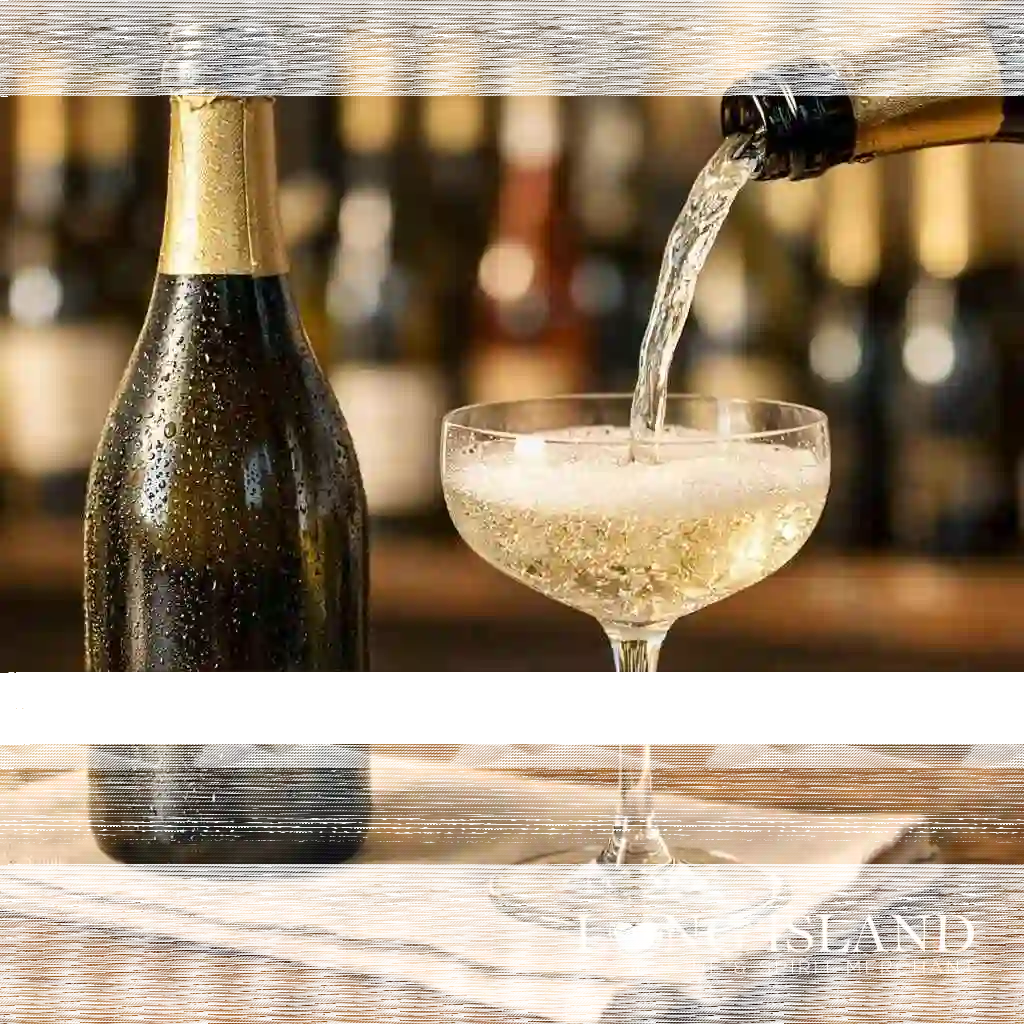
MomentBest PoursWhy It WorksCocktail hourRosé, sauvignon blanc, prosecco, craft beerLight, fast, and refreshingDinnerChardonnay, pinot noir, cabernetMatches common wedding menusDessert and after-dinnerCognac, amaro, cordialsSlow, rich, and smoothSignature drinksVodka, gin, tequila, mezcal, rumFlexible for most recipesFor modern receptions, some couples also want organic wine, biodynamic wine, or natural wine on the list. Those choices make sense if your menu is farm-focused or your guests care about low-intervention wine. They are not required for a good wedding, but they can fit beautifully into a curated lineup. If you are building a more casual or fusion-style menu, sake can also work well with sushi stations or Asian-inspired small plates.
One more local note: Long Island taste often runs practical and food-friendly. A lot of couples around Huntington, Smithtown, and Commack lean toward wines that drink clean, not wines that need a lecture. That is why a mix like sauvignon blanc, chardonnay, and pinot noir usually lands better than an overly complicated list.
For couples who want a more polished gift angle, bottle engraving gifts and gift baskets for weddings can handle thank-yous for the wedding party, parents, or the planner. Long Island Liquor Store also carries options that fit corporate gifts and custom cases of wine, which makes it easier to handle both the celebration and the thank-you list in one stop.
If you want help narrowing the choices, Long Island Liquor Store is a solid local option in Commack. You can look through the wedding planning guide for a bigger picture, or check the store’s wine and spirits category page for ideas that fit your menu. If you are comparing service options, review the store’s wedding alcohol help and then order online for pickup or delivery where available.
Frequently Asked Questions
How much alcohol do I need for a wedding?
The cleanest way is to plan by drink type, not by guesswork. For many weddings, you will want enough wine for dinner, enough beer for casual drinkers, and a focused spirit selection for cocktails. A wedding beverage calculator can help, but your menu, guest mix, and reception length matter just as much. If the crowd leans wine-heavy, buy more red and white than spirits. If the event runs long, add backup bottles.
What is the difference between bourbon and whiskey?
Bourbon is a type of whiskey, but not every whiskey is bourbon. Bourbon must be made with a grain mix that is at least 51% corn and aged in new charred oak barrels. That gives it a rounder, sweeter profile than many other whiskeys. If you want a smoother sip for mixed drinks or after-dinner pours, a small-batch bourbon usually works well. If you want broader style choices, whiskey gives you more room.
Do champagne and prosecco serve the same role at a wedding?
They can, but they do not taste the same. Champagne is usually more complex and structured, while prosecco is often lighter, fruitier, and more relaxed. For a wedding toast, both work well. Prosecco can be a smart choice if you want a friendly, easygoing feel and a little more flexibility on budget. Champagne often fits a more formal celebration.
What is the best gin for a Negroni bar?
A Negroni needs a gin with enough structure to stand up to vermouth and amaro. Look for a dry gin with clear juniper and citrus notes. If your bar team is making classic cocktails, keep the gin list simple and pair it with quality vermouth and amaro. That gives you a better drink than buying too many spirit brands and skimping on the mixers.
Can I order wedding alcohol online and pick it up in Commack?
Yes, many couples prefer to order ahead and pick it up in Commack for convenience. That helps with timing and keeps the shopping organized before the wedding weekend. If you need delivery or shipping support, check the store’s policies first so you know what is allowed for your order. For local buyers, curbside pickup can be a simple way to avoid last-minute stress.
What is a smart spirit list for a limited wedding bar?
A smart limited bar usually includes vodka, gin, tequila, bourbon, wine, beer, and one or two mixer-friendly extras like vermouth or amaro. That mix handles martinis, margaritas, highballs, and simple old-fashioneds without turning your bar into a warehouse. If you want a refined touch, add cognac for after-dinner sipping and one special bottle for the family table.


