
Why Does Natural Wine Taste Different from Conventional Wine
November 16, 2026
Natural wine tastes different because it is made with less intervention, more native yeast activity, and fewer corrections in the cellar. That often leads to a brighter texture, earthier aromas, more bottle variation, and sometimes a little funk that surprises people on the first sip.
Key Takeaways
- Natural wine flavor differences usually come from wild fermentation, lower sulfite levels, and less filtration, not from a single grape or region.
- Conventional wine is typically made for consistency, while natural wine fermentation can preserve more of the grape, the soil, and the vintage.
- Unfiltered wine and unfined wine can look cloudy and taste more textured, with sediment and bottle variation that change from bottle to bottle.
- Some traits people call “funky” are part of low-intervention wine style, but oxidation and volatile acidity can also create real faults.
- If you want to explore these styles, a good Commack liquor store with a strong wine selection can help you compare natural, organic, and biodynamic bottles side by side.
Why one sip of natural wine can feel like a surprise instead of a simple pour
Natural wine often tastes less polished and more expressive than conventional wine because it is made with fewer cellar adjustments. That can mean more texture, more aroma shifts, and more vintage variation in the glass. If you are reading this because a bottle tasted weirder than expected, that reaction is normal.
The ferment that keeps talking after the wine leaves the tank
A lot of the difference starts during natural wine fermentation. Conventional producers often use cultured yeast, temperature control, fining, filtration, and sulfur management to keep the wine steady and predictable. Natural producers usually do less of that, so the wine may keep changing after bottling.
That is why one bottle can taste fresh and lifted, while another from the same case can lean more savory or cloudy. Here is the part most people miss: the wine is not “broken” just because it feels less polished. It may simply be showing more of the vineyard, the harvest, and the cellar choices.
We hear this from shoppers looking for organic wine, biodynamic wine, or a low-intervention wine style for dinner parties and gifts. A bottle from a Suffolk County wine merchant or a trusted Long Island Liquor Store natural wine selection can be a smart place to start, especially if you want help narrowing the field without guessing.
Why wild yeast and native yeast fermentation change the whole flavor path
Wild yeast fermentation and native yeast fermentation can create a more layered, less linear flavor profile than conventional fermentation. Cultured yeast often pushes clean fruit notes and a clear style. Native yeast can bring out more spice, bread dough, orchard fruit, or earthy tones, depending on the fruit and the cellar. 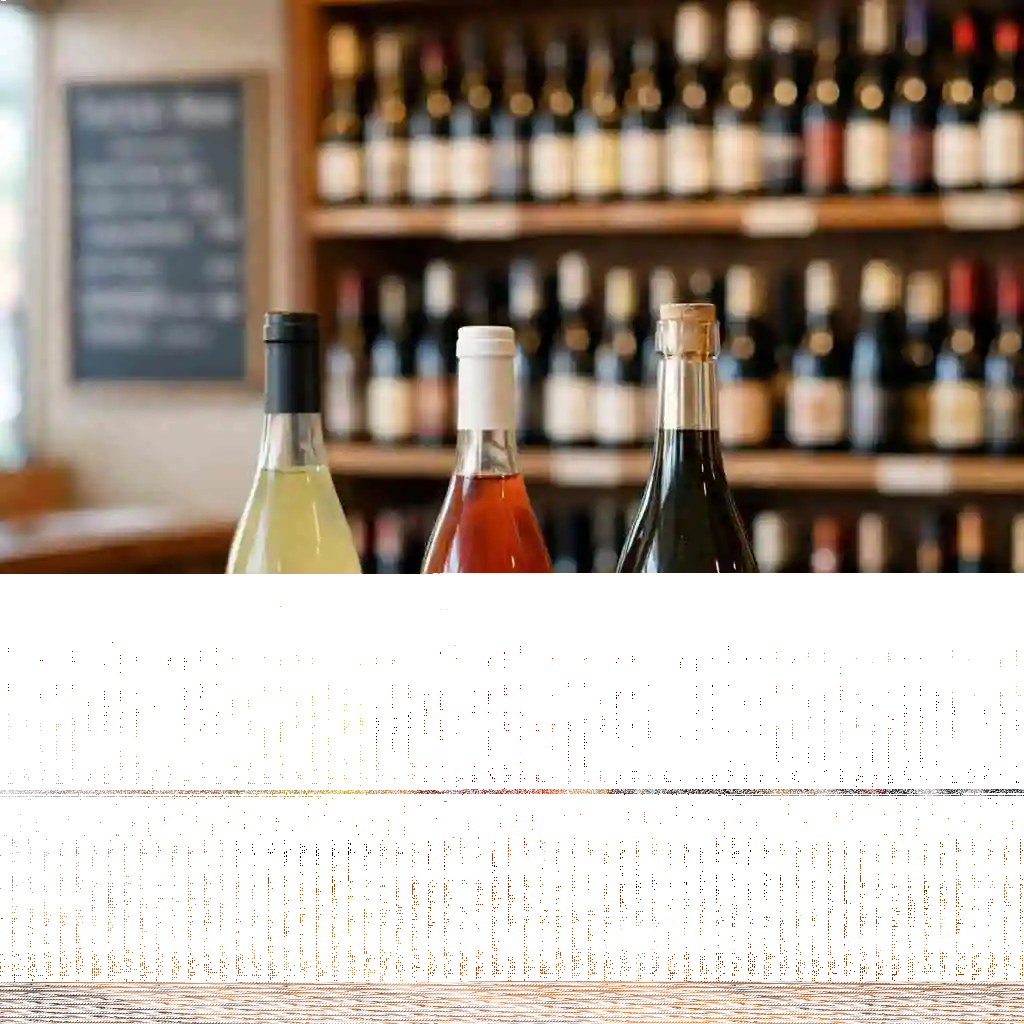
StyleTypical flavor pathTextureConsistencyConventional wineClean fruit, oak polish, direct finishSmooth and stableHighNatural wineEarthy, savory, citrusy, sometimes funkyMore tactile and variedLowerOrganic or biodynamic wineOften cleaner fruit with less manipulationDepends on cellar choicesMedium to highA customer once asked for something close to pinot noir earthiness but with less oak and less gloss. We pointed them toward a natural bottling with a lighter touch, and the surprise was not the fruit. It was the texture: brighter acid, a little grip, and a finish that kept moving. That is the kind of change people notice right away.
What makes natural wine taste more alive, earthy, or even a little wild
Natural wine often tastes more alive because it usually keeps more of the grape’s raw character and less of the cellar’s polish. You may notice earthy wine notes, a hazy pour, or even a savory edge that feels different from a conventional wine taste comparison bottle. Those traits can be charming, but they can also be confusing if you expect a clean, textbook profile. ### How minimal intervention winemaking shapes unfiltered wine, sediment, and bottle variation
Minimal intervention winemaking aims to let the fruit and site speak with less correction. That often means unfiltered wine, unfined wine, and sometimes a visible cloudy wine appearance. The tradeoff is that texture and aroma can change from bottle to bottle, especially as sediment settles or the wine evolves in storage.
A few practical signs are common:
- Sediment in natural wine at the bottom of the bottle
- Slight cloudiness in white, rosé, or skin-contact styles
- More variation between bottles from the same producer
- A looser, less polished wine texture compared with conventional bottles
This is especially noticeable in skin contact wine and orange wine characteristics, where contact with grape skins can add tannin, tea-like notes, dried citrus, and a deeper color. If you like sauvignon blanc herbal notes, a natural version may push those green edges a little further. If you prefer chardonnay fermentation styles that feel creamy and exact, a natural bottle may feel more open and less framed.
Why sulfur levels, oxidation, and volatile acidity can make natural wine taste different from conventional wine
The biggest technical reason natural wine can taste different is the balance of sulfite levels in wine, oxygen exposure, and acidity. Lower sulfur can make aromas feel more open, but it also reduces protection against oxidation in natural wine. That is why some bottles smell like bruised apple, cider, hay, or dried citrus sooner than expected.
FactorWhat you may tasteIs it style or fault?Lower sulfitesOpen aroma, softer preservationUsually styleOxidationNuts, bruised fruit, sherry-like notesCan be style or faultVolatile acidityLifted vinegar, nail polish, sharp edgeOften a fault if strongBottle variationDifferent aroma from bottle to bottleCommon in natural wineThis is where wine fault vs. natural style matters. A little lift or funk can be part of the charm. Too much sharpness, mousey notes, or volatile acidity in wine usually means the bottle has crossed the line. The National Institute on Alcohol Abuse and Alcoholism reminds readers that alcohol should be consumed responsibly, and that context matters as much as style when you are choosing what to pour. For food-pairing basics, the FDA food guidance can also help you think about balance, portion, and the meal itself.
For some tables, natural wine is a perfect fit. Rosé fermentation styles with a lighter touch can feel lively with seafood, grilled chicken, or mezze. A structured cabernet flavor profile may still work for steak, but you will often want a bottle with enough fruit and tannin structure to hold up without tasting too severe. On Long Island, people often reach for North Fork wines or a lighter local rosé for a casual dinner, then switch to a more serious red for a holiday roast or a long Sunday meal near Huntington or Smithtown.
If you want help sorting through natural wine aroma profile choices, the easiest route is to taste with a clear purpose. Ask for one bottle that is clean and fruit-driven, one that is cloudy and more savory, and one that leans orange or skin contact. That small comparison teaches you more than reading ten labels.
For a deeper match idea, see our guide on Why Does Natural Wine Pair Well with Autumn Dinner Menus and compare it with a bottle selected through our Long Island Liquor Store Wine Taste Quiz quiz. If you want a broader shopping framework, How to Choose Organic and Natural Wine for Summer Menus can help you narrow the style before you shop.
For a practical next step, stop by our Commack shop or place an order through our shipping details page if you need 50-state shipping where allowed. If you are building a mixed case for dinner, gifts, or a tasting at home, Long Island Liquor Store is a solid place to get honest guidance on natural wine, fine wine, and the bottles that fit your table best.
Frequently Asked Questions
Question: Why does natural wine taste different from conventional wine, and what should I expect when shopping at Long Island Liquor Store?
Answer: Natural wine tastes different because it usually follows a low-intervention wine approach with native yeast fermentation, fewer cellar adjustments, and less filtration. That can create more earthy wine notes, brighter acidity, a cloudier look, and more bottle variation than a conventional wine taste comparison bottle. At Long Island Liquor Store, we can help you sort through organic wine, biodynamic wine, and natural wine options so you can choose a bottle that matches your comfort level, whether you want fresh fruit notes in wine or something more savory and expressive.
Question: What is the difference between wild yeast fermentation and cultured yeast in natural wine fermentation?
Answer: Wild yeast fermentation, also called native yeast fermentation, can give wine a more layered and less predictable flavor profile than cultured yeast. Instead of a very polished style, you may notice spice, orchard fruit, bread dough, or earthy wine notes depending on the grape and vintage. That is one of the biggest reasons natural wine flavor differences stand out so quickly. If you are shopping with Long Island Liquor Store, we can walk you through the style differences and help you compare bottles side by side, including options for pinot noir, chardonnay, sauvignon blanc, and cabernet when you want to explore different natural wine aroma profile styles.
Question: Is cloudy wine appearance or sediment in natural wine a sign of a fault?
Answer: Not always. In many cases, unfiltered wine and unfined wine are intentionally made that way, so a cloudy wine appearance or some sediment in natural wine can be part of the style rather than a problem. The key is understanding wine fault vs. natural style. Some funk is normal in low-intervention wine, but strong volatile acidity in wine, heavy oxidation in natural wine, or sharp mousey notes can be signs that the bottle has gone too far. At Long Island Liquor Store, we are happy to help you read labels, understand the style, and choose bottles with the level of texture and stability you prefer.
Question: How do sulfite levels in wine affect oxidation in natural wine and bottle variation?
Answer: Lower sulfite levels in wine can make aromas feel more open and immediate, but they can also give the wine less protection from oxidation in natural wine. That is why some bottles show more vintage variation in natural wine, and why bottle variation is more common than in highly controlled conventional wines. The tradeoff is often more character, more terroir expression in wine, and more personality in the glass. If you want guidance, Long Island Liquor Store can help you pick a natural bottle that fits your taste, whether you prefer brighter acidity in white wine, deeper tannin structure in natural wine, or a rosé fermentation styles bottle that feels lively and easygoing.
Question: How should I pair natural wine with food, and can Long Island Liquor Store help me choose the right bottle?
Answer: Yes. Natural wine can pair beautifully with food because its acidity, texture, and aroma can make dishes feel more vibrant. A skin contact wine or orange wine characteristics style can work well with roasted vegetables, cheeses, or spiced dishes, while a lighter natural rosé can be great with seafood or grilled chicken. For steak, a cabernet flavor profile with enough structure is usually a safer choice, while pinot noir earthiness can work well with mushrooms or salmon. If you are planning dinner, party planning, wedding alcohol, or corporate gifts, Long Island Liquor Store can help you build the right mix of bottles, from fine wine to craft spirits, so your table feels balanced and thoughtful.


