
Why Does Small Batch Bourbon Taste Different from Blend
November 27, 2026
Small batch bourbon usually tastes richer than blended whiskey because it comes from a smaller set of barrels chosen for flavor, not from a large blend built mainly for consistency. That tighter selection often gives you more oak, more caramel, more spice, and a fuller finish.
If you have ever opened a bottle at home in Commack and thought, “Why is this one so much rounder?” you are not imagining it. This part is genuinely confusing for most people, and we hear it all the time at Long Island Liquor Store from buyers comparing a small batch bourbon flavor profile to a smoother blended pour.
Key Takeaways
- Small batch bourbon tastes fuller because producers select a limited group of barrels, which usually preserves more character and variation.
- Blended whiskey is built for consistency, so it often tastes smoother, lighter, and more even from bottle to bottle.
- Bourbon mash bill, charred oak, warehouse placement, and proof all shape vanilla, caramel, spice, and mouthfeel.
- Batch variation is a feature, not a flaw, especially in limited release bourbon and private label whiskies.
- If you want help choosing a bottle, a Commack liquor store like Long Island Liquor Store can point you toward a style that fits your palate, from bourbon to single malt scotch and other fine wine and spirits.
Why does small batch bourbon taste richer than blended whiskey
Small batch bourbon tastes richer because it usually pulls from fewer barrels, often chosen for deeper oak, more layered sweetness, and a fuller texture. Blended whiskey is mixed to hit a stable house style, so it often trades some edge and complexity for smoothness and repeatability. If you want the bolder side of bourbon, small batch usually gives it to you.
The flavor jump you notice in the first sip and why it happens
The first sip often feels bigger because small-batch distilling methods allow more barrel character to show through. You may get toasted oak and vanilla notes right away, then caramel and spice bourbon tones, then a longer finish and mouthfeel in bourbon than you would expect from a blend.
That happens because a small batch is not trying to average everything out. It is trying to preserve the best parts of a few barrels. In practice, that can mean more texture, more warmth, and more obvious bourbon aroma development. The proof matters too. A cask strength bourbon or non-chill filtered bourbon will often feel even richer because more flavor compounds stay in the glass.
Here is the part most shoppers miss: richer does not always mean sweeter. Sometimes it means more oak grip, more pepper, or a drier finish. If you are comparing bottles for a gift basket, wedding alcohol, or holiday spirits, ask which one leans toward caramel, which one leans toward spice, and which one finishes longest.
How whiskey vs bourbon difference changes what ends up in the glass
The whiskey vs bourbon difference matters because bourbon must be made from a grain bill with at least 51 percent corn, aged in new charred oak, and bottled under federal rules. That gives bourbon a built-in vanilla-caramel backbone that many whiskey styles do not have. Straight bourbon whiskey also has to meet age and labeling standards set by the Alcohol and Tobacco Tax and Trade Bureau. StyleMain grain styleBarrel impactTypical tasteSmall batch bourbonCorn, rye, barley mash billNew charred oakRich, sweet, spicyBlended whiskeyMixed source whiskeyOften lighter oak impactSmooth, consistent, softerSingle barrel bourbonOne barrel onlyMore distinct barrel traitsSharper variation, more characterA good whiskey tasting guide starts here: if you want structure and sweetness, bourbon is a natural place to look. If you want a softer profile, blended whiskey may suit you better. For a deeper comparison, our difference guide breaks down the basics in plain language.
What happens inside the barrel before small batch bourbon reaches Commack
Before small batch bourbon reaches Commack, it spends years changing in the barrel. The mash bill, char level, warehouse location, and aging time all shape what ends up in the glass. That is why two bourbons from the same distillery can taste different, even when they share the same label family and proof range. 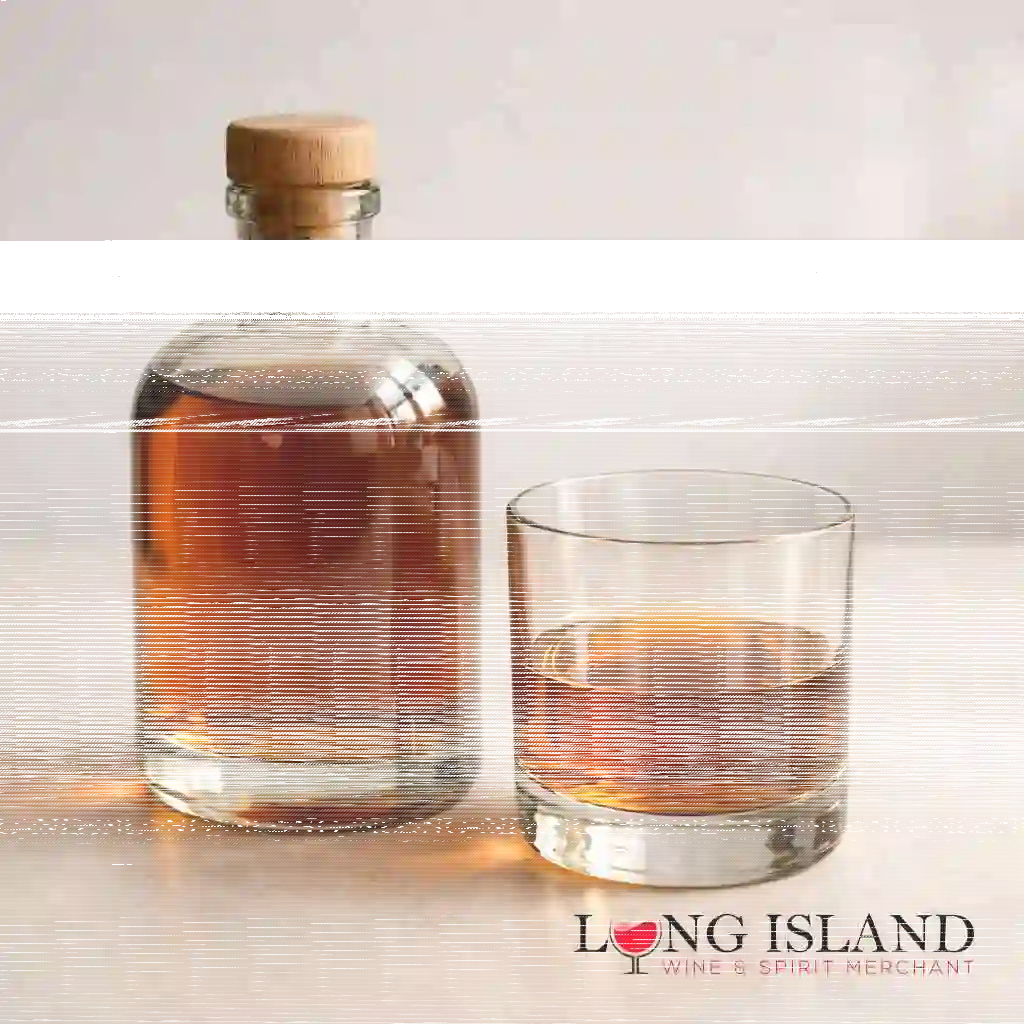
Bourbon mash bill, charred oak influence, and the vanilla caramel backbone
The bourbon mash bill usually leans on corn, then rye or wheat, with malted barley to help fermentation. Corn brings sweetness and body. Rye adds pepper and lift. Wheat often softens the edges. That grain mix, combined with charred oak influence, is where the vanilla caramel backbone comes from.
Inside the barrel, heat pulls flavor from the wood and then pushes it back into the spirit as seasons change. That cycle creates caramel, baking spice, toast, and sometimes a little cocoa or dried fruit. The more active the barrel, the more vivid the bourbon proof and palate can feel. This is why one small batch bourbon may taste like brown sugar and cinnamon while another leans darker, with char and leather.
On the shelves at a Long Island liquor store, this is where craft bourbon tasting notes matter more than the label art. If you want a bottle for a steak dinner, look for deeper oak and spice. If you want something for a home bar pour after dinner, a rounder, sweeter profile may work better.
Warehouse variation bourbon, aging differences, and why each batch tells a slightly different story
Warehouse variation bourbon is one of the biggest reasons small batch bottles feel different. Barrels aged higher in a warehouse usually see more heat and faster evaporation, while lower barrels may age more slowly and keep a softer profile. That creates batch variation in whiskey, even before blending begins.
On one recent conversation at the counter, a customer from Smithtown wanted a bottle that would stand up to a ribeye but still feel smooth neat. We walked through two bourbons from the same broad style, and the difference came down to barrel selection and aging differences, not just price or label. That is the real lesson: the barrel matters as much as the distillery name.
A quick way to think about it:
- Higher warehouse placement: often more oak, more spice, more proof loss
- Lower warehouse placement: often softer, rounder, and a little more restrained
- Longer aging: deeper wood tones, more caramelized notes, sometimes more dryness
- Shorter aging: brighter grain, more sweetness, less oak grip
If you are shopping for rare whiskey flavor complexity, ask whether the bourbon is a small batch, single barrel, or limited release bourbon. Those labels usually signal more personality. If you want a broader shopping guide, our small-batch bourbon guide can help you narrow the field before you order online or stop by the Commack liquor store.
One more practical note: if you are choosing bourbon for a mixed drink, the richer bottle does not always need the oldest age statement. For a Manhattan, Old Fashioned, or other setup that uses bitters, vermouth, and amaro, a well-built mid-range bourbon often gives you more balance than an extreme barrel-proof bottle. If you want to compare styles side by side, our whiskey page is a useful place to start, and if you prefer another spirit, we also carry vodka and tequila.
If you want a dependable Long Island liquor store with knowledgeable help and a wide range of fine wine and craft spirits, Long Island Liquor Store is a solid local option. You can call ahead, order online for local pickup, or ask for help comparing bourbon styles to something like best scotch under 100 if you are building out a home bar in Suffolk County.
Frequently Asked Questions
Question: Why does small batch bourbon taste different from blend, and how can I tell which small batch bourbon flavor profile is right for me?
Answer: Small batch bourbon usually tastes different from blended whiskey because it comes from a limited group of barrels selected for character, while blended whiskey is designed to deliver a more consistent house style. That means small-batch bourbon often shows more toasted oak and vanilla notes, caramel and spice bourbon character, and a fuller finish and mouthfeel in bourbon. At Long Island Liquor Store, we help shoppers compare bourbon blending process details, bourbon barrel selection, and bourbon aging differences so they can choose a bottle that fits their palate. If you are looking for a richer pour for sipping neat, a whiskey tasting guide starts with whether you prefer sweeter corn-forward bourbon, drier oak influence, or a bolder cask strength bourbon. Our Commack liquor store team can also help you compare small-batch bourbon with single barrel bourbon comparison options, private label whiskies, and limited release bourbon selections so you can find the right fit for home or gifting.
Question: What role do bourbon mash bill, charred oak influence, and warehouse variation bourbon play in the flavor of a bottle?
Answer: The bourbon mash bill is a major driver of flavor because corn brings sweetness and body, rye adds spice, and wheat can soften the edges. Then the charred oak influence adds vanilla, caramel, toast, and deeper spice as the whiskey ages. Warehouse variation bourbon matters too, because barrels stored higher or lower in a warehouse can mature at different speeds and develop different levels of intensity. That is why two bottles from the same distillery can still taste noticeably different. At Long Island Liquor Store, we enjoy helping customers understand these bourbon aging differences and how they affect craft bourbon tasting notes, rare whiskey flavor complexity, and overall bourbon proof and palate. If you are browsing online liquor store options or visiting us in Commack, we can point you toward styles that match your preference for rich oak, brighter grain, or a smoother and rounder finish.
Question: Is small-batch bourbon better than blended whiskey for bourbon for beginners, or should I start with a smoother style?
Answer: It depends on what you want to taste first. If you want a softer, more even sip, blended whiskey can be an easy starting point. If you want to understand why small batch bourbon tastes different from blend, then a small-batch bottle can be a great introduction to real bourbon character because it often shows more oak, caramel, and spice. For bourbon for beginners, we usually suggest thinking about whether you want a gentle entry or a more expressive bottle with stronger bourbon aroma development. Long Island Liquor Store can help you explore the whiskey vs bourbon difference in a simple, friendly way and guide you toward choices that are good for sipping, gifting, or building a home bar. We also carry a broad range of Long Island spirits, from bourbon and single malt scotch to vodka, gin, rum, tequila, and mezcal, so you can compare styles without feeling overwhelmed.
Question: How do I choose a bottle for holiday spirits, wedding alcohol, or corporate gifts if I want something with more rare whiskey flavor complexity?
Answer: When you are shopping for holiday spirits, wedding alcohol, or corporate gifts, the best choice depends on whether you want something crowd-pleasing or something more distinctive. Small batch bourbon often makes a strong gift because it usually brings more depth than a standard blend, with extra character from distillery blending techniques, barrel selection, and aging variation. If you want rare whiskey flavor complexity, look for terms like non-chill filtered bourbon, cask strength bourbon, limited release bourbon, or private label whiskies, since those often suggest a more expressive pour. At Long Island Liquor Store, we can help you compare options for gift baskets, bottle engraving, and custom cases of wine, while also suggesting complementary items like bitters, vermouth, and amaro for mixology supplies. Whether you are planning for a corporate gift, a wedding toast, or a seasonal celebration, our Commack liquor store is a convenient place to find fine wine, craft spirits, and thoughtful bottle recommendations.
Question: Can Long Island Liquor Store help me build a home bar with bourbon, scotch, and mixers for cocktails?
Answer: Yes, we can definitely help with how to build a home bar in a way that matches your taste and budget. A good home bar often starts with one or two versatile bourbons, because bourbon works well neat, on the rocks, or in classics like an Old Fashioned and Manhattan. If you want depth, choose a small batch bourbon with strong caramel and spice bourbon notes. If you want variety, add a bottle from another category such as single malt scotch, cognac, tequila, gin, or rum. We can also help you choose the right mixology supplies, including bitters, vermouth, and amaro, plus suggest bottles that work for summer cocktails, New Year’s champagne, or everyday entertaining. Long Island Liquor Store serves Commack and the surrounding Long Island area, and we also offer online liquor store convenience with 50-state shipping where permitted, so it is easy to find the right spirits for your setup.


