
What Is the Difference Between Whiskey and Bourbon
October 19, 2026
Bourbon is a type of whiskey, but not all whiskey is bourbon. Bourbon must meet specific U.S. rules about grain, distillation, aging, and barrel use, while “whiskey” is the broader family name. If you are trying to pick a bottle for sipping, gifting, or cocktails, that difference matters more than most labels let on.
Key Takeaways
- Whiskey is the umbrella category; bourbon is one specific style of whiskey.
- To be bourbon, the spirit must be made in the U.S., use a grain bill with at least 51% corn, and age in new charred oak barrels.
- Bourbon usually tastes rounder and sweeter than many rye whiskeys because corn brings vanilla, caramel, and baked grain notes.
- Labels like straight bourbon whiskey, small-batch bourbon, and barrel proof bourbon tell you a lot about flavor and strength.
- If you want help choosing the right bottle, a knowledgeable shop like Long Island Liquor Store in Commack can point you toward the right style for your glass.
Why whiskey and bourbon are not the same pour even when they look identical
Whiskey and bourbon can look nearly identical in the glass, but they are not the same thing. Whiskey is the broader category, while bourbon is a legally defined American whiskey style with stricter production rules. That means the label is not just marketing; it tells you how the spirit was made, how it will taste, and what kind of bottle it really is.
If you have ever stood in front of a shelf feeling unsure, you are not alone. This part is genuinely confusing for most people, especially when every bottle promises “smooth,” “rich,” or “bold.” At a Commack liquor store whiskey guide level, the real job is simple: help you spot the style before you spend.
What bourbon meaning really signals on a label and why it matters for your glass
The word bourbon on a label means the whiskey had to follow bourbon regulations. In plain terms, it must be made from a mash bill with at least 51% corn, distilled to specific proof limits, put into new oak barrels, and bottled under U.S. standards. If it says straight bourbon whiskey, that adds another layer: it must be aged at least two years and contain no added flavoring or coloring.
That matters because the label gives you a preview of the flavor. Bourbon tends to lean toward vanilla, caramel, toasted oak, and sweet grain, especially compared with a rye-forward bottle. A customer looking for a gift near Huntington once asked for “something smooth but not boring,” and the label conversation got him to a small-batch bourbon instead of a random whiskey. He left with a bottle he could actually describe at dinner, not just carry home.
Here is the part most shoppers miss:
- Bourbon = a specific type of whiskey
- Whiskey = the larger family
- Straight bourbon = a stricter subcategory with aging rules
- Barrel proof bourbon = bottled close to barrel strength
- Small-batch bourbon = a production style, not a legal flavor promise
If you want to compare styles side by side, our whiskey selection is a useful place to start.
How the whiskey classification rules set bourbon apart from single malt scotch and rye whiskey
The whiskey classification rules separate bourbon from other styles by grain, geography, and barrel treatment. Bourbon must be an American whiskey and aged in new charred oak barrels, as outlined by the Alcohol and Tobacco Tax and Trade Bureau. Single malt scotch comes from Scotland, is made from malted barley, and ages under a different set of rules. Rye whiskey uses rye as the dominant grain, which usually brings a drier, spicier profile. 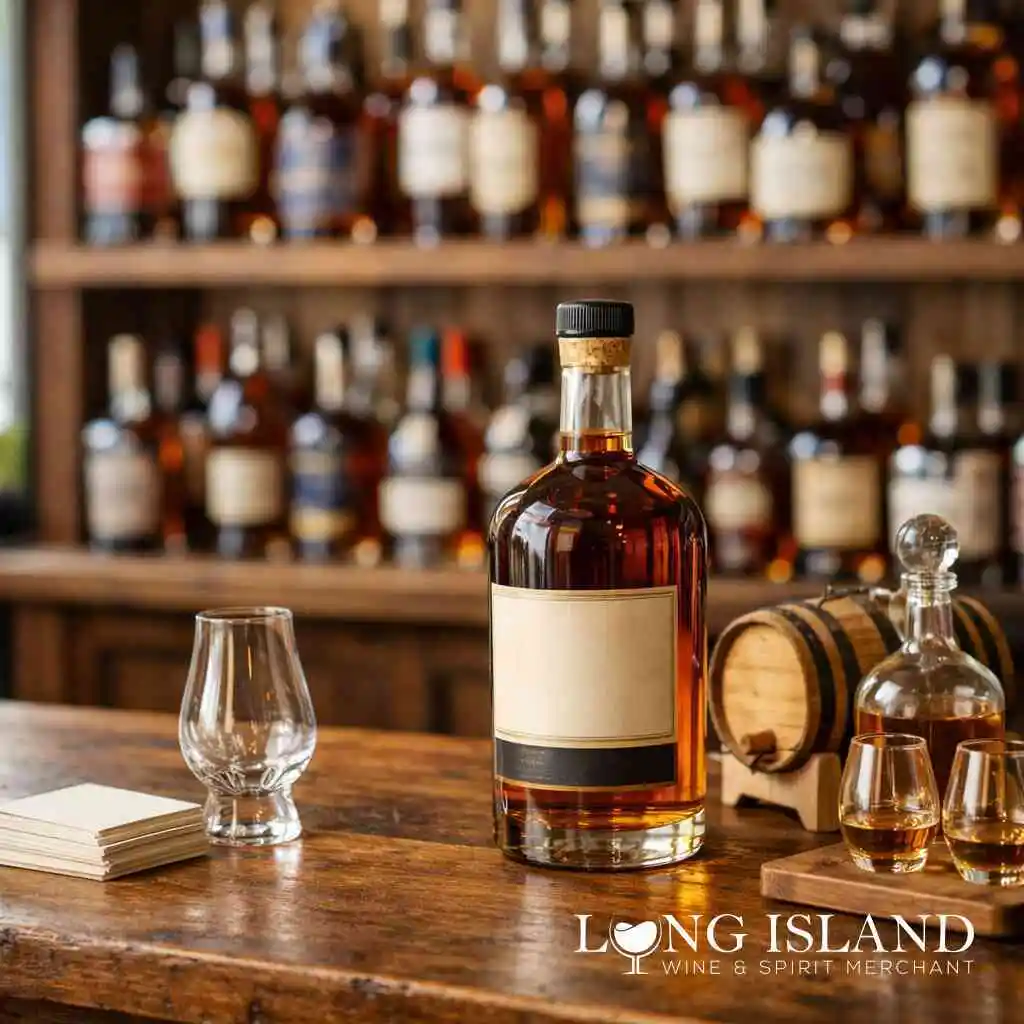
StyleMain grain focusBarrel ruleTypical flavor directionBourbonAt least 51% cornNew charred oakSweet, vanilla, caramel, oakRye whiskeyAt least 51% ryeUsually new oak in U.S. stylesPeppery, herbal, dry spiceSingle malt scotchMalted barleyUsed oak casks, under Scotch rulesMalty, nutty, smoky, or fruityIf you are building a home bar, this is the easiest way to choose. Want a softer pour for sipping or simple bourbon cocktail recipes? Reach for bourbon. Want sharper spice for a Boulevardier or Manhattan? Rye may fit better. Want a peatier, malt-driven experience? Scotch is its own lane, and a good single malt scotch will show that quickly.
The mash bill, barrel char, and proof trail that changes a spirit from whiskey into bourbon
Bourbon becomes bourbon through a chain of decisions: the mash bill, the distillation proof, the barrel, and the aging process. Those choices shape the final taste more than most people realize. Corn adds sweetness, charred new oak adds depth, and proof controls how much intensity reaches the bottle.
On Long Island, we hear this all the time from people shopping for dinner parties, corporate gifts, or holiday spirits. They do not want jargon. They want to know why one bottle tastes round and another tastes hot. That is the real difference between a bottle that sits on the shelf and one that earns a repeat buy from your Commack liquor store. ### Why corn in bourbon and bourbon regulations create that sweeter fuller American whiskey style
Corn in bourbon is the main reason bourbon tastes fuller and softer than many rye-heavy whiskeys. A mash bill built mostly on corn brings notes of honeyed grain, caramel, banana bread, and vanilla once barrel aging does its work. Bourbon regulations then lock in the style by requiring new charred oak and U.S. production.
That sweet-leaning profile is why bourbon works so well for both sipping and mixing. It can stand up in an Old Fashioned, but it also gives you enough roundness to drink neat without the rough edges some newcomers expect from whiskey. If you are newer to the category, bourbon is often the friendliest entry point among American whiskey styles, and general consumer health guidance from the National Institute on Aging can be a useful place to start. For a deeper look at style differences, our bourbon vs rye guide can help.
A practical way to shop it:
- Look for corn-forward bourbon if you want sweetness.
- Choose higher rye content if you want spice.
- Pick small-batch bourbon for a more focused house style.
- Choose limited release bourbon when you want something more distinctive for gifting.
- Ask about private label whiskies if you want value with local character.
For people comparing bottles for a dinner table, bourbon often wins because it feels welcoming without being simple. A bottle can taste like toasted bread, orchard fruit, and brown sugar at once, which is why it pairs so well with steak, roasted chicken, and dark chocolate.
How new oak barrels, distillation proof, and barrel proof bourbon shape tasting notes from sip to finish
The barrel is where bourbon becomes recognizable. New oak barrels with barrel char create caramelized wood sugars, and that char contributes vanilla, toasted coconut, smoke, and spice. Distillation proof also matters: the higher the proof before aging, the more the spirit can pull from the oak, though the final balance depends on the producer’s choices.
DetailWhat it changesWhat you tasteBarrel charExtracts wood sugarsVanilla, caramel, toasted oakDistillation proofInfluences intensity and textureClean grain, heat, structureBarrel proof bourbonBottled with little dilutionBold spice, layered oak, long finishBarrel proof bourbon and cask strength whiskey often feel more intense because less water is added before bottling. You may notice heat up front, then a slow wave of maple, baking spice, and oak. That style is not for everyone, but for collectors and experienced drinkers, it can be the most expressive version of a distillery’s work.
One customer shopping near Smithtown wanted a bottle for a winter gift basket and expected “the strongest one.” After tasting a few options, he chose a lower-proof straight bourbon instead. The reason was simple: he wanted flavor, not fire. That is the kind of choice a good online liquor store whiskey shopping experience should make easier, whether you are buying for yourself or for wedding alcohol, corporate gifts, or a last-minute host gift.
If you want a dependable place to compare bourbon, whiskey, and other spirits in one stop, Long Island Liquor Store is a smart local option in Commack for guidance, gifting, and convenient shopping. You can order online for pickup or delivery where available, or stop in and ask for a bottle that fits your taste, your budget, and the moment.
Frequently Asked Questions
Question: What is the whiskey vs bourbon difference, and how can Long Island Liquor Store help me choose the right bottle?
Answer: The whiskey vs bourbon difference starts with classification: whiskey is the broad category, while bourbon is a specific American whiskey style with stricter bourbon regulations. To qualify as bourbon, it must be made in the U.S., use a bourbon mash bill with at least 51% corn, and age in new oak barrels. That usually gives bourbon a sweeter, rounder profile than many other American whiskey styles. Long Island Liquor Store can help you compare labels, tasting notes, and bottle styles so you can choose the right fit for sipping, gifting, or cocktails. Whether you are looking for whiskey for beginners, a best bourbon for sipping option, or something more expressive like barrel proof bourbon, our team can point you in the right direction.
Question: In the blog title What Is the Difference Between Whiskey and Bourbon, what should I look for on a label when shopping at a Commack liquor store?
Answer: When you are reading a whiskey label, look for terms like straight bourbon whiskey, small-batch bourbon, barrel proof bourbon, and cask strength whiskey because they tell you a lot about the spirit’s style and intensity. Straight bourbon whiskey means the spirit meets bourbon rules and has been aged long enough to qualify under the standard. Small-batch bourbon often suggests a more focused production style, while barrel proof bourbon usually means less dilution and a bolder flavor. At Long Island Liquor Store, we help customers in Commack and beyond understand how to read a whiskey label so they can shop with confidence. If you are exploring craft spirits, rare whiskey, or limited release bourbon, we can help narrow down choices based on flavor, occasion, and budget without making the process feel overwhelming.
Question: How does bourbon mash bill affect bourbon tasting notes, and can you recommend bottles for bourbon cocktail recipes or sipping?
Answer: The bourbon mash bill is one of the biggest drivers of flavor. A corn-heavy mash bill usually brings sweeter bourbon tasting notes such as vanilla, caramel, baked grain, and toasted oak, while a higher rye component can add a spicier edge. That is why bourbon works well for both neat pours and bourbon cocktail recipes like an Old Fashioned or Manhattan. Long Island Liquor Store carries a wide range of Long Island spirits and can help you find a bottle that suits your goal, whether you want a smooth pour for sipping or something with enough structure for mixology supplies, bitters and vermouth, and home bar whiskey selection. If you are comparing bourbon vs rye or bourbon vs Tennessee whiskey, we can explain the flavor differences in a simple, practical way.
Question: Is bourbon a good choice for gifts, wedding alcohol, or corporate gifts from Long Island Liquor Store?
Answer: Yes, bourbon is often an excellent choice for gifting because it feels approachable, premium, and versatile. A well-chosen bottle of small-batch bourbon, limited release bourbon, or private label whiskies can make a thoughtful present for birthdays, anniversaries, wedding alcohol, or corporate gifts. Bourbon also pairs nicely with a wide range of tastes, which makes it easier to choose than a more polarizing spirit. Long Island Liquor Store offers helpful guidance for gift baskets, bottle engraving when available, and bottle selections that suit different occasions. If you are shopping for a host gift, holiday spirits, or a special celebration, our online liquor store experience makes it easier to find something memorable and practical.
Question: Do you carry whiskey, bourbon, and single malt scotch for online liquor store whiskey shopping and 50-state shipping?
Answer: Long Island Liquor Store offers a broad selection that includes whiskey, bourbon, and single malt scotch, along with many other spirits such as cognac, tequila, mezcal, vodka, gin, and rum. If you are browsing for online liquor store whiskey shopping, we make it easier to compare styles and find a bottle that matches your taste. We also serve customers looking for rare whiskey, craft spirits, and American bourbon heritage expressions, along with options suited for fine wine pairings, party planning, and home bar whiskey selection. Shipping and availability can vary by item and location, so it is always best to check the current listing or contact us directly for the most accurate details. That way, you get a helpful, trustworthy experience instead of guessing from the shelf.


